


Author
Vessela Krasteva
Interview
Sofia will host Bulgaria’s First International Defense Tech Hackathon
Students, military personnel and engineers develop technological solutions to today’s defence challenges
Interview with Interview with Vladislav Prelezov and Petar Kirkov
Wednesday 14 October 2026 10:20
Wednesday, 14 October 2026, 10:20

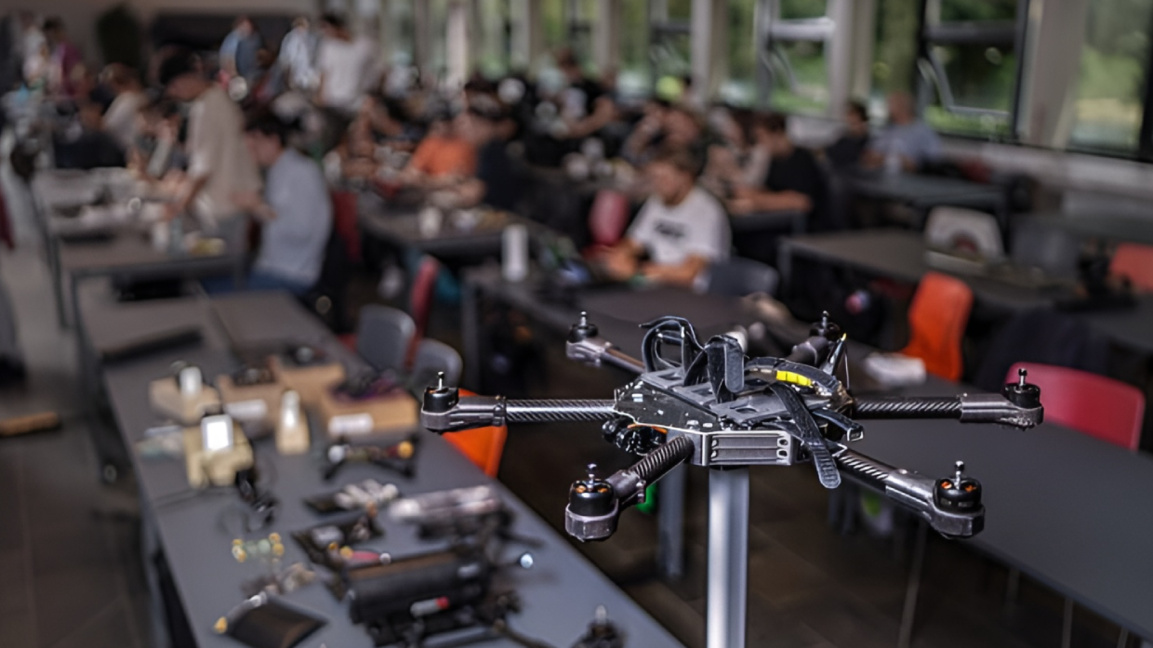
PHOTO eurodefense.tech
Font size
Sofia will host Bulgaria’s first international hackathon dedicated entirely to defence and dual-use technologies. The event will take place from October 16 to 18 at Tech Arena at the Technical University of Sofia and is part of the German initiative European Defense Tech Hub (EDTH).
Military drones, and particularly how to detect, identify and neutralise them, have become one of the most pressing issues facing Bulgaria in recent days. Can technology provide solutions to the challenges involved, and what might these solutions look like? These and other questions concerning national security will be explored at the event, where participants will seek to develop practical answers.
A hackathon is typically a short event, often lasting around 48 hours, during which programmers, designers, entrepreneurs and experts work in teams to create a functional software or product prototype. Over three days in the Bulgarian capital, more than 120 participants will come together, including students, cadets from military universities, engineers from high-tech companies in Bulgaria and abroad, and representatives of national institutions.
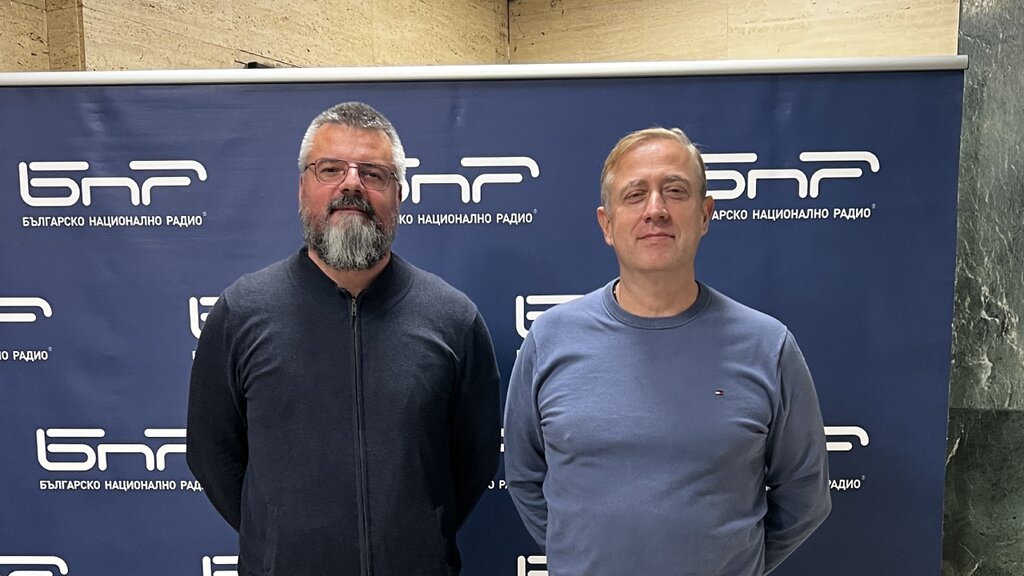
Petar Kirkov (left) and Dr. Vladislav Prelezov
PHOTO Vessela Krasteva
“I'm going to use the word ‘hackers’, although we’re not talking only about hackers. We’re bringing together people who will work in this field so that we can help build networks among them and develop new technologies for the defence industry in the broadest sense, from artificial intelligence to prototypes, drones and counter-drone systems,” Petar Kirkov, a lecturer and one of Bulgaria’s leading cybersecurity experts, told Radio Bulgaria.
The event is a joint initiative of the Technical University of Sofia, the European Defense Tech Hub, a European defence innovation community connecting engineers, start-ups, military personnel, investors and institutions, and Capital, a weekly publication covering politics, business and economics.
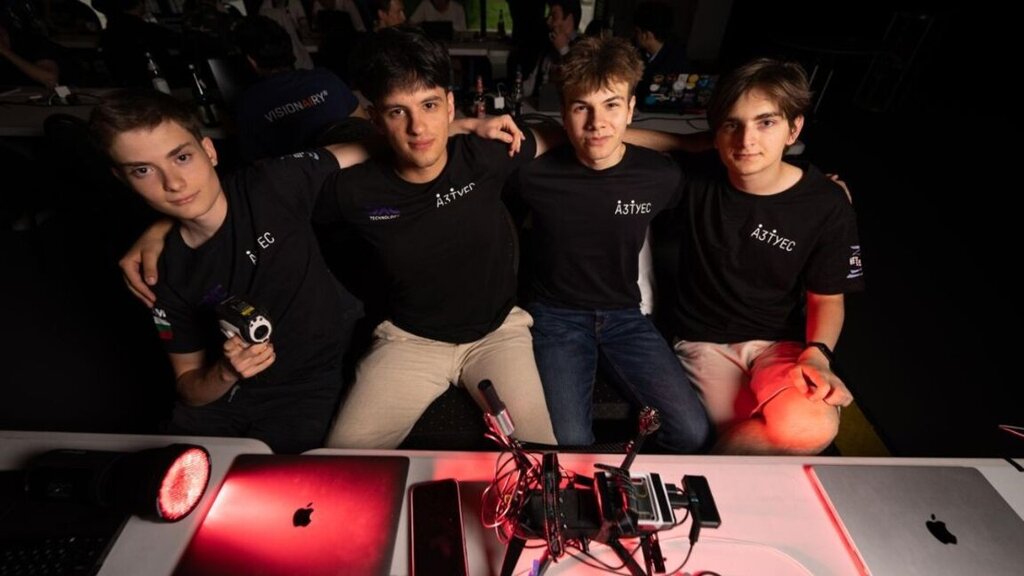
PHOTO @BabyPro.ming
The origins of this type of technology competition date back to the summer of 2024, when Munich hosted the first international EDTH hackathon. Bulgaria made its mark from the outset: a project developed by a team of school students won third place, with the organisers making a special exception to the age requirements.
Petar Kirkov was one of the mentors supporting four students from the Technological School of Electronic Systems (TUES) at the Technical University of Sofia. Their prototype, designed to detect anti-personnel mines by their thermal signature, impressed the jury in Germany.
The project finished among the top three at the 2024 European Defense Tech Hackathon, competing against 34 projects and nearly 150 participants from around the world.
Bulgarian students develop project for detecting anti-personnel mines

PHOTO eurodefense.tech
Over the past two years, EDTH has organised close to 100 hackathons worldwide. Around 40 of the teams that have taken part have since developed into companies, and approximately half have tested their technological solutions in real-world conditions during demo days in Europe, particularly in Ukraine.
Drawing on his professional experience and his impression of the talent available in Bulgaria, Petar Kirkov proposed earlier this year that the country host a similar hackathon. The idea was quickly embraced and brought to life with the help of the Technical University of Sofia.
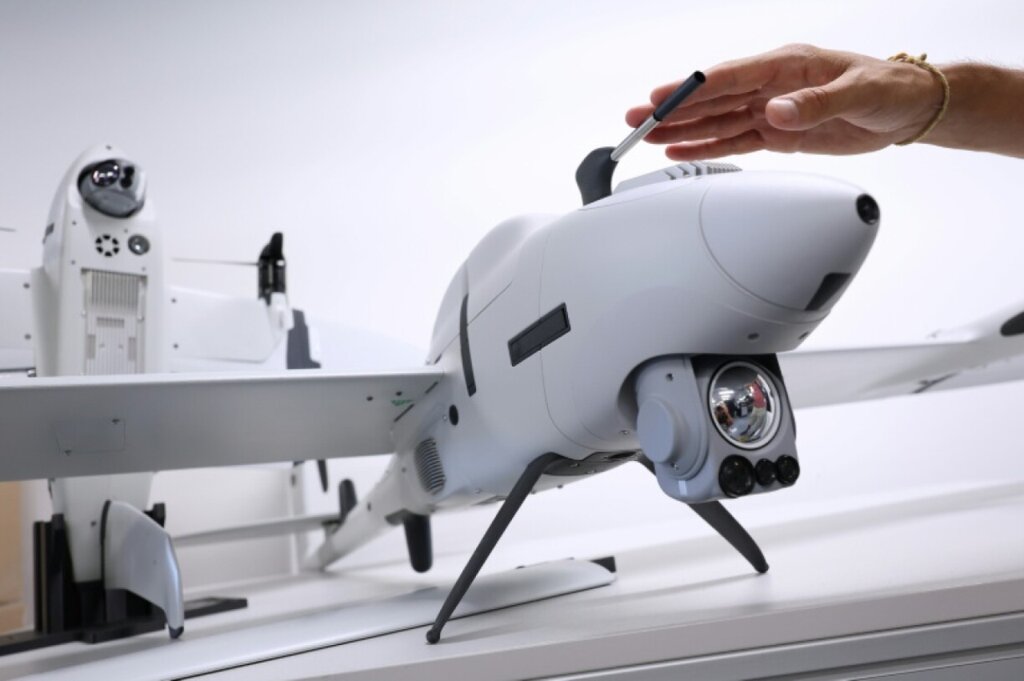
PHOTO AFP
“For the Technical University, this is a major and very important event,” explained Dr Vladislav Prelezov, the university’s director of public relations, speaking in Radio Bulgaria’s studio.
“The defence industry is moving very quickly, just like every other industry in today’s world. IT technologies are becoming part of everything and are extremely important. Our university is preparing its students to become the engineers of the future, not only in the defence industry but across the wider world we are building.
I want to emphasise that we are open to precisely this kind of hackathon and to events where young people can demonstrate what they can do and appreciate the value of the education they receive. They are the future leaders in engineering, not only here in Bulgaria but anywhere in the global economy. This is extremely important to us as a higher education institution, because competition is everywhere. The global demand for talent is enormous, and as a small country of around six million people, we have to prove that we can compete with the larger nations.”
Prelezov takes pride in the fact that more and more graduates of Bulgaria’s largest technical university are continuing their research there and choosing to stay in Bulgaria. He is convinced that this is vital for the development of the country’s industry as a whole.
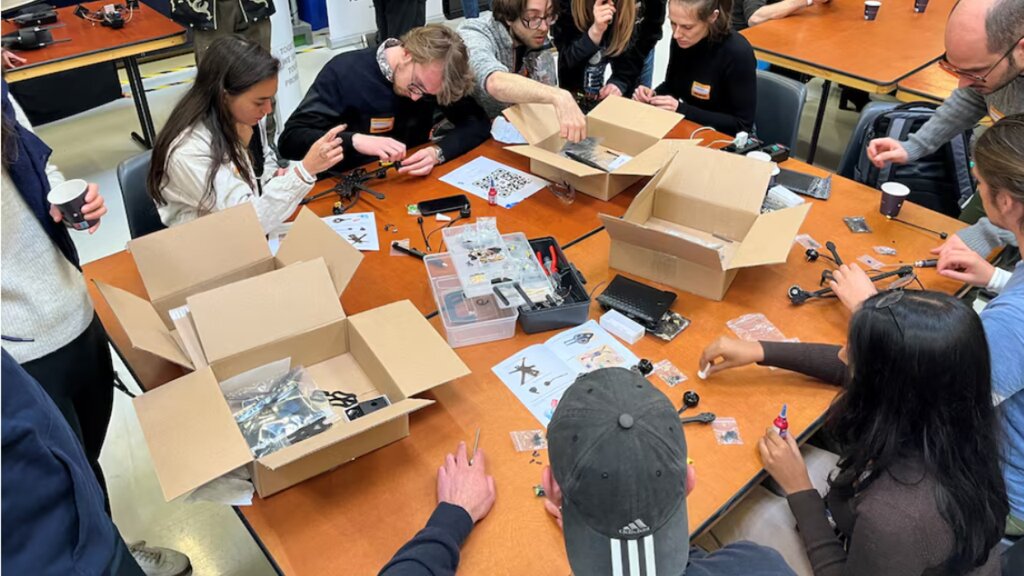
PHOTO Reuters
“What I see is that Bulgaria has many companies and talented people doing all sorts of things, but very often they don’t communicate with one another and instead look abroad,” Kirkov added. “That is precisely the philosophy behind the hackathon we are organising: to bring these people together in one place and encourage synergy between them. Great things are happening in Bulgaria. We have excellent specialists, and when we bring them together, the result is often much better than the sum of their individual ideas.
Let me add a little more about our 2024 project, because it is a very good illustration of this. When people hear ‘defense industry’, they tend to picture military vehicles painted green. But what earned these young men third place was an artificial intelligence technology capable of detecting anti-personnel mines. In other words, it was a technology designed to protect everyone’s safety.”
Petar Kirkov also points out with evident satisfaction that one of the members of Bulgaria’s “bronze-winning team” from two years ago, Kaloyan Miladinov, is now part of the organising team for the hackathon at the Technical University.
Modern warfare is more closely tied to new technologies than ever before, says Vladislav Prelezov, who knows the subject from his professional experience at the Bulgarian Ministry of Defense and his work as a military reporter for national media.
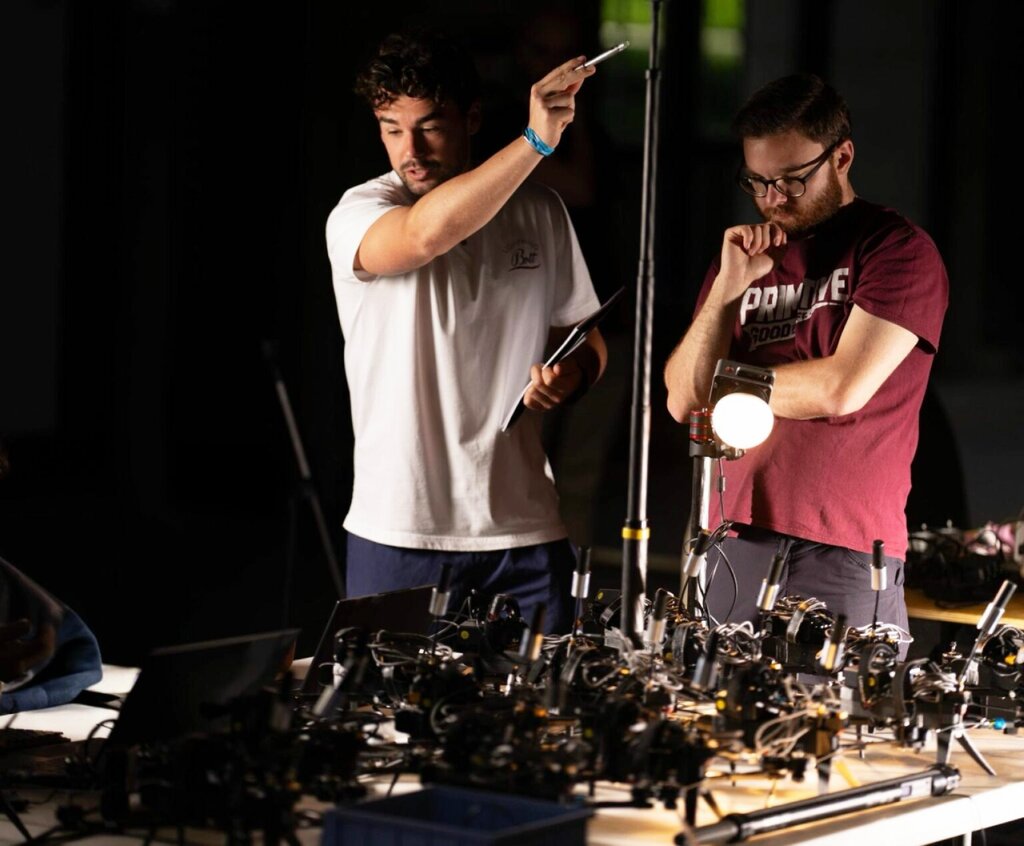
PHOTO eurodefense.tech
“A war, God forbid, could be fought simply by pressing buttons thousands of kilometres away from the battlefield. That is why I strongly support Petar Kirkov’s initiative. Military personnel may think in a particular way, but engineers can help prevent ideas that threaten human life. They provide protection. And that is precisely why this hackathon is so useful: it will teach us not only how to build a military drone, for example, but also how to counter such a drone.”
Another important aspect of the hackathon is that events of this kind create a valuable meeting point for ideas, funding opportunities and experts capable of identifying which technological concepts can actually work today, Kirkov explains.
Modern technologies bring together many complex elements. Unlike in the Middle Ages, when discoveries and ideas were often associated with individual achievements, innovation today depends on synergy between people with different skills and expertise, he adds. The programme planned for the Sofia hackathon reflects this approach.
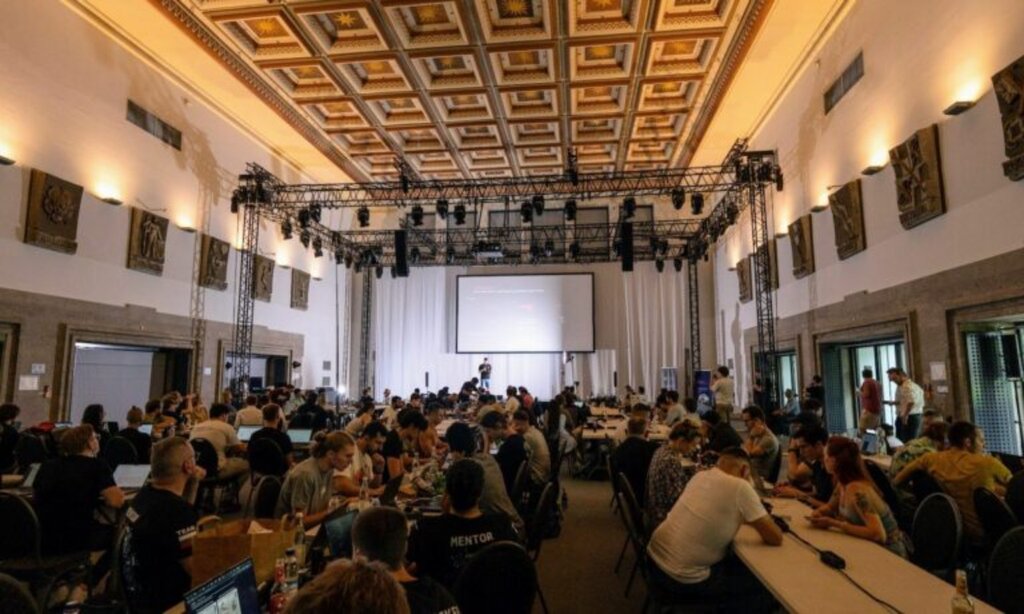
PHOTO eurodefense.tech
“On October 16, there will be several working workshops where specific topics will be discussed, followed by what we call challenges. Each hackathon has a set of concrete challenges for the participants to work on. We will give them the opportunity to form teams by the following day. That is where networking comes in. We allow, and even encourage, participants to build teams, change their initial choices if they wish, and reorganise on the spot to create a team that can work effectively on the task at hand.
They will have until Sunday morning to work on their projects, after which we will help them prepare their presentations for the jury. The presentations will be followed by demonstrations of prototypes or whatever the teams have developed, and finally the results will be announced".
The three highest-ranked teams, as selected by the jury, will be presented at the Regional Defence and Security Summit 2026. This platform connects the regional ecosystem with Europe, bringing together politicians, military leaders, industry representatives, technology companies, innovators and investors in Sofia on October 21.
The Sofia hackathon organised by the European Defense Tech Hub will take place shortly after drone attacks targeted commercial vessels in Bulgaria’s exclusive economic zone in the Black Sea. Kirkov believes that the incidents may motivate participants to come up with ideas in this particular field. After all, he says, a good engineer’s instinct is to look at a problem and think: “This is something I can solve, and I can do it more effectively.”
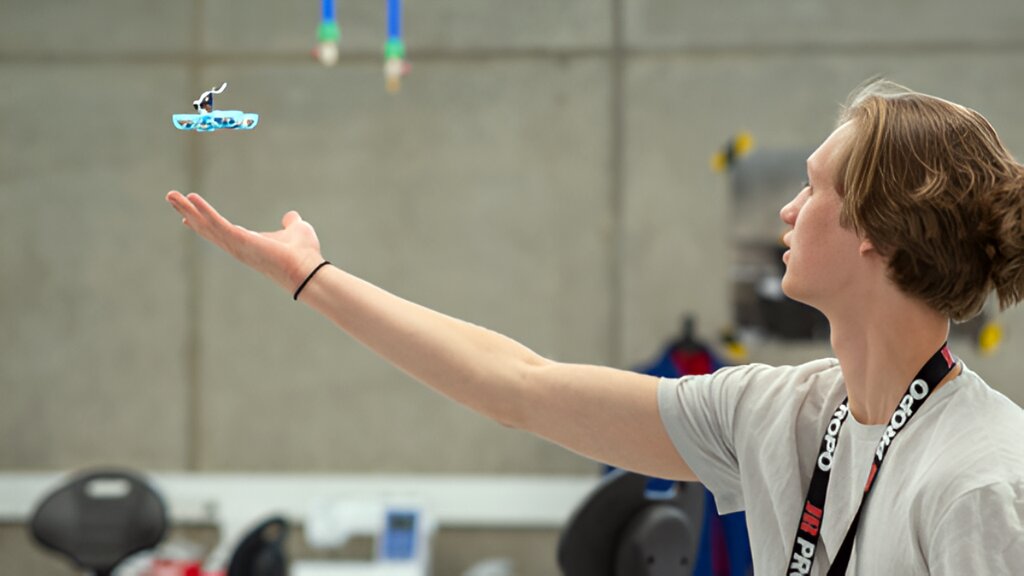
PHOTO eurodefense.tech
Detecting and identifying all kinds of drones is one of today’s most pressing technological challenges.
“With the technologies we have, we know very well how to detect large aircraft hundreds of kilometres away and determine what type of aircraft they are, where they are heading and so on. But a small plastic drone flying 50 metres above the ground is extremely difficult to detect using existing technology. Solving this problem requires an entirely different class of technology, as well as new approaches and a different way of thinking.
“I expect this to be one of the most topical subjects at the Sofia hackathon,” Petar Kirkov says.

PHOTO eurodefense.tech
Editor: Elena Karkalanova
English version: R. Petkova